Starting off with Loan Security Meaning in Banking: A Simple Explanation, this introductory paragraph aims to provide a captivating overview of the topic, setting the stage for an informative discussion ahead.
The subsequent paragraph will delve into the details and examples related to loan security in the banking sector.
Definition of Loan Security in Banking
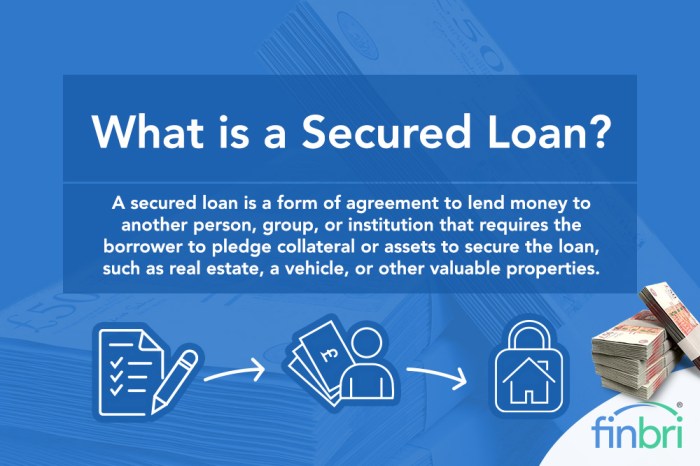
Loan security in banking refers to the assets or collateral that a borrower provides to a lender as a guarantee for the repayment of a loan. It acts as a form of protection for the lender in case the borrower defaults on the loan.
Types of Loan Security
- Real Estate: Properties such as homes, land, or commercial buildings can be used as loan security. If the borrower fails to repay the loan, the lender can seize and sell the property to recover the outstanding amount.
- Automobiles: Vehicles like cars, trucks, or motorcycles can also serve as loan security. The lender can repossess the vehicle and sell it to recoup the loan amount if the borrower defaults.
- Inventory: Businesses can offer their inventory or stock as security for a loan. This ensures that the lender has a tangible asset to recover their funds if the borrower cannot repay.
Importance of Loan Security
For Borrowers: Loan security allows borrowers to access financing at lower interest rates as it reduces the risk for the lender. It also provides an opportunity for individuals or businesses with less-than-perfect credit to secure a loan.
For Lenders: Having loan security mitigates the risk of lending money to borrowers, ensuring that they have a way to recover their funds if the borrower defaults. This increases the lender's confidence in approving loans and promotes responsible borrowing.
Types of Loan Security
When it comes to securing a loan, there are various types of collateral that can be used to provide assurance to the lender. Each type of loan security comes with its own set of risks and benefits, tailored to suit different financial needs and circumstances.
Real Estate
- Real estate, such as a home or commercial property, is a common form of loan security. The value of the property acts as collateral, reducing the risk for the lender.
- Benefits: Real estate typically holds significant value, providing a strong sense of security for the lender. It may result in lower interest rates for the borrower.
- Risks: In case of default, the lender may need to go through the lengthy process of foreclosure to recover the loan amount.
Vehicles
- Automobiles or other vehicles can also be used as loan security. The lender may hold the title until the loan is repaid in full.
- Benefits: Vehicles are tangible assets that can be easily repossessed and sold in case of default, reducing the lender's risk.
- Risks: The value of vehicles tends to depreciate over time, potentially resulting in a loss for the lender if the borrower defaults.
Savings or Investments
- Savings accounts, certificates of deposit (CDs), or investment portfolios can serve as loan security, providing a source of funds in case of default.
- Benefits: Using savings or investments as collateral may lead to lower interest rates, as they offer a high level of security for the lender.
- Risks: If the borrower defaults, they may lose their savings or face financial setbacks due to withdrawing investments prematurely.
Inventory or Equipment
- Businesses may pledge their inventory or equipment as loan security. This allows them to access financing based on their current assets.
- Benefits: Using inventory or equipment as collateral can help businesses secure funding for growth without risking personal assets.
- Risks: If the business fails to repay the loan, they may lose essential assets needed for operations, impacting their ability to generate revenue.
Role of Loan Security in Risk Management
Loan security plays a crucial role in risk management for banks, as it helps mitigate the potential losses associated with lending money. By requiring borrowers to provide collateral or assets as security against the loan, banks can reduce the level of risk involved in the lending process.
Impact on Interest Rates
Loan security directly impacts the interest rates offered by banks. When borrowers provide valuable assets as security, banks are more willing to offer lower interest rates, as the risk of default is minimized. On the other hand, loans without any security or collateral may come with higher interest rates to compensate for the increased risk.
Examples of Risk Mitigation
- Real Estate Mortgages: In the case of mortgage loans, the property itself serves as the loan security. If the borrower defaults on the loan, the bank can foreclose on the property to recover the outstanding debt.
- Vehicle Loans: Car loans are often secured by the vehicle itself. If the borrower fails to make payments, the bank can repossess the car to cover the remaining loan amount.
- Business Loans: Business assets or inventory can be used as loan security, allowing banks to recover their funds in case of business failure or default.
Legal Aspects of Loan Security
When it comes to loan security in banking, there are specific legal frameworks that govern the process to protect both borrowers and lenders. Understanding the legal aspects of loan security is crucial for all parties involved in a lending transaction.The legal framework surrounding loan security in banking typically involves the creation of a legal agreement between the borrower and the lender.
This agreement Artikels the terms and conditions of the loan, including the collateral or security that the borrower provides to secure the loan. In the event of default, this collateral can be used by the lender to recover the outstanding amount.
Rights and Responsibilities
- Borrowers have the right to know the terms of the loan security agreement, including the type of collateral required and the consequences of default.
- Lenders have the responsibility to clearly explain the terms of the loan security agreement to the borrower and ensure that the collateral provided is sufficient to cover the loan amount.
- Both parties have the right to seek legal recourse in case of a dispute regarding the loan security agreement.
Establishing and Releasing Loan Security
- Establishing loan security involves the borrower providing collateral, such as real estate, vehicles, or other valuable assets, to secure the loan.
- The process of establishing loan security may require legal documentation and registration of the collateral to ensure its validity.
- Releasing loan security typically occurs once the loan has been fully repaid, and the lender acknowledges that the borrower has fulfilled their obligations.
Final Thoughts
Concluding with a summary of the key points discussed, this final paragraph wraps up the discussion on loan security meaning in banking with a compelling recap.
Popular Questions
What is loan security in banking?
Loan security in banking refers to assets or collateral provided by borrowers to secure a loan, reducing the risk for lenders in case of default.
What are common types of loan security?
Common types include real estate, vehicles, equipment, or savings accounts that can be used as collateral for loans.
How does loan security impact interest rates?
Strong loan security can lead to lower interest rates as it reduces the risk for lenders, while weaker security may result in higher rates.
What is the process of releasing loan security?
Releasing loan security involves satisfying the terms of the loan agreement, after which the collateral is returned to the borrower.