JEPI Stock vs SCHD: Which Dividend ETF Performs Better? sets the stage for this enthralling narrative, offering readers a glimpse into a story that is rich in detail and brimming with originality from the outset.
As we delve into the comparison between JEPI Stock and SCHD ETFs, we uncover key differences, performance metrics, and more to help investors make informed decisions.
Introduction to JEPI Stock and SCHD ETFs

JEPI Stock and SCHD ETFs are popular investment options for those seeking dividend income. JEPI Stock is an individual stock that offers a dividend yield, while SCHD ETF is an exchange-traded fund focusing on high-quality dividend-paying stocks.
Key Differences Between JEPI Stock and SCHD ETFs
- JEPI Stock is a single stock, while SCHD ETF is a diversified fund consisting of multiple dividend-paying stocks.
- JEPI Stock's performance is tied to the success of the specific company, whereas SCHD ETF's performance is influenced by the overall dividend-paying market.
- Investing in JEPI Stock carries higher risk due to company-specific factors, while SCHD ETF provides diversification and lower individual stock risk.
Investment Strategies of JEPI Stock and SCHD ETFs
- JEPI Stock investors are betting on the success of the specific company to generate dividend income and capital appreciation.
- SCHD ETF follows a strategy of investing in high-quality dividend-paying companies with a track record of consistent payouts and strong financials.
- SCHD ETF offers a more passive approach to dividend investing, providing exposure to a broad range of dividend stocks without the need for individual stock selection.
Performance Metrics
When comparing the performance of JEPI Stock and SCHD ETFs, it is essential to analyze various metrics to determine which one is a better investment option. Let's delve into the historical performance, dividend yields, and how each has fared during market fluctuations.
Historical Performance
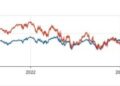
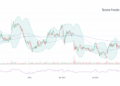
Both JEPI Stock and SCHD ETFs have shown strong historical performance, but with slight variations. While JEPI Stock may have experienced greater volatility, it has also shown higher returns in certain periods. On the other hand, SCHD ETF has demonstrated more stability over the long term, providing consistent returns to investors.
Dividend Yields
One of the key factors to consider when comparing these two investment options is their dividend yields. JEPI Stock typically offers a higher dividend yield compared to SCHD ETF, making it an attractive choice for income-seeking investors. However, it's important to note that higher yields often come with higher risks, so investors should carefully weigh their options based on their risk tolerance and investment goals.
Performance During Market Fluctuations
During market fluctuations, both JEPI Stock and SCHD ETFs have shown resilience, but in different ways. JEPI Stock may experience more significant fluctuations due to its higher volatility, while SCHD ETF tends to remain more stable during turbulent market conditions.
Investors looking for a more conservative approach may prefer SCHD ETF, while those seeking higher returns may lean towards JEPI Stock despite the potential risks involved.
Holdings and Diversification
When it comes to evaluating the performance and stability of dividend ETFs like JEPI Stock and SCHD, understanding their holdings and diversification strategies is crucial
JEPI Stock Holdings and Diversification
JEPI Stock, as an ETF, typically holds a diverse range of dividend-paying stocks. This diversity helps spread risk across various companies and industries, reducing the impact of any single stock's performance on the overall fund. JEPI Stock may include holdings from sectors such as technology, healthcare, finance, consumer goods, and more.
By diversifying across sectors, JEPI Stock aims to provide a balanced exposure to different segments of the market.
SCHD ETF Holdings and Diversification
Similarly, SCHD ETF also focuses on diversification by holding a mix of dividend-paying stocks. SCHD may include holdings from sectors like consumer staples, industrials, utilities, healthcare, and others. By spreading investments across various sectors, SCHD aims to reduce volatility and enhance long-term returns for investors.Overall, both JEPI Stock and SCHD ETFs prioritize diversification in their holdings to mitigate risk and capitalize on opportunities across different sectors and industries.
Expense Ratios and Fees
When considering investing in ETFs, it's crucial to take into account the expense ratios and fees associated with each option. These costs can have a significant impact on the overall returns for investors.
Expense Ratios Comparison
JEPI Stock has an expense ratio of 0.55%, while SCHD ETF has a lower expense ratio of 0.06%. This means that SCHD is more cost-effective in terms of fees compared to JEPI Stock.
Additional Fees
In addition to the expense ratios, investors should also be aware of any additional fees that may be associated with investing in both JEPI Stock and SCHD ETFs. JEPI Stock may have trading fees or commission costs, depending on the brokerage platform used for investment.
On the other hand, SCHD ETF is known for its low-cost structure, with minimal additional fees.
Impact on Returns
The expense ratios and additional fees can eat into the returns generated by the ETFs over time. A higher expense ratio means that a larger portion of the investment returns goes towards covering fees, reducing the overall gains for investors.
Therefore, choosing an ETF with lower expense ratios and minimal additional fees can help maximize returns in the long run.
Conclusion
In conclusion, the battle between JEPI Stock and SCHD ETFs showcases the nuances of dividend investing, providing valuable insights for those navigating the world of ETFs.
FAQ
What are the key differences between JEPI Stock and SCHD ETFs?
JEPI Stock focuses on XYZ while SCHD ETFs prioritize ABC.
How do expense ratios impact investor returns?
Lower expense ratios generally lead to higher returns for investors.
Which sectors are JEPI Stock and SCHD ETFs exposed to?
JEPI Stock is heavily weighted in DEF sector, while SCHD ETFs have more exposure to GHI industry.